Happiness means being close to the one you love
The Museum of InnocenceHappiness means being close to the one you love is the principle Kemal arrives at during his summer 1976 dinners with Füsun and Feridun. It revises his idea of happiness from possession to proximity: sitting across from Füsun can quiet his suffering, even though she remains married to someone else and the comfort of each meeting is temporary.
The Formula of Proximity
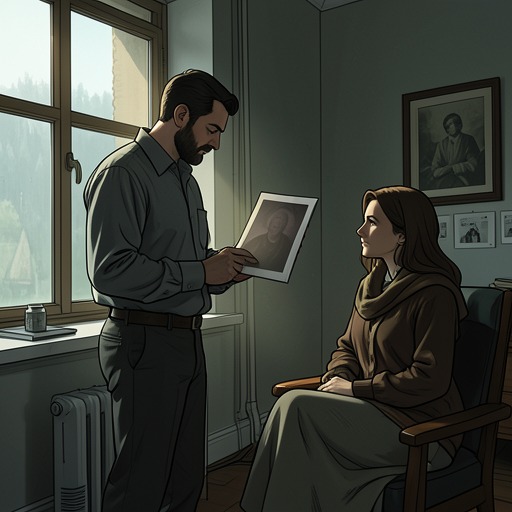
At Yani’s Place, simply sitting across from Füsun brings Kemal a sudden peace. Looking across the water toward the yali where he had spent the previous summer with Sibel, he recognizes that love is no longer physically lacerating him. The conclusion is spare and provisional: “Happiness means being close to the one you love, that’s all.” Taking possession of the beloved, he adds, is not necessary.
The formula takes shape amid an uneasy arrangement. Füsun and Feridun have invited Kemal to invest in their film ambitions, and he imagines a premiere at the Palace Cinema where Füsun, a star, thanks him before an admiring audience. In public, he can feel joy rather than shame at being involved in their plans. Yet the imagined scene also exposes the distance between his fantasy and the actual dinners: he is still sitting with Füsun and her husband, not receiving the public recognition or romantic outcome he pictures.
Relief and Its Return
The dinners along the Bosphorus give Kemal repeated occasions to be near Füsun. He listens as Feridun talks about his dreams, Yeşilçam films, and Turkish audiences, while withholding his reservations about the project. He sometimes asks for a finished screenplay and then diverts attention to another story before the script arrives. The film plan supplies a pretext for seeing Füsun twice a week; Kemal comes to realize that this limited closeness is enough to soothe his pain for the time being, and that wanting more feels daunting after so much suffering.
After a meal, the evening might continue with chicken breast pudding dusted with cinnamon in İstinye, or a walk in Emirgân with paper helva and ice-cream sandwiches beside the dark Bosphorus. Kemal experiences these ordinary outings as an almost complete happiness. At Füsun’s side he forgets that, only moments earlier, his despair had led him to thoughts of suicide; he mistakes the return of relief for being restored to his old, decisive self. But after their first three outings the pattern becomes clear: ecstasy gives way to familiar despair, sharpened by the knowledge that he will soon miss her again.
Objects Against Absence
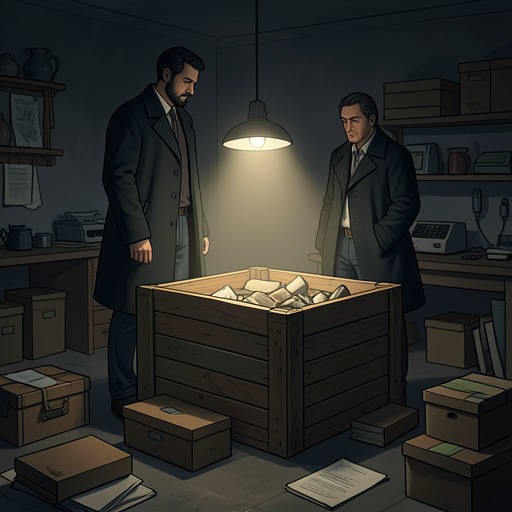
Anticipating that renewed pain, Kemal begins discreetly taking objects from the table as reminders of the happiness he experiences with Füsun and as support for the days when he is alone. At Aleko’s Place in Yeniköy, a small tin spoon becomes memorable after Füsun toys with it in her mouth while bored by a conversation about football. Kemal and Feridun’s shared support for Fenerbahçe happens to spare them a shallow argument, but it is Füsun’s gesture that gives the spoon its personal charge.
A saltshaker acquires its own moment when Füsun picks it up as a rusty Soviet tanker passes the restaurant window, its propeller’s force shaking the bottles and glasses on the table. On their fourth outing, at Zeynel in İstinye, Kemal retrieves a half-eaten cone Füsun has dropped while they stroll. Each object fixes a small, incidental scene that the larger romantic fantasy cannot secure.
At home, Kemal gazes at the collected things in a drunken state. A day or two later, wary of his mother seeing them, he carries them to the Merhamet Apartments and arranges them among other precious artifacts. The movement from dinner table to private collection gives the maxim its enduring shape: closeness is a happiness he can experience only for a while, while objects let him keep material reminders of it after Füsun has gone.